



Hutto Fire Rescue
Williamson County Emergency Services District #3
Your All-Hazards Hometown Fire Department

2024 organizational profile

Fire Chief’s Welcome
Since our inception as an Emergency Services District in 2000, we have been committed to provide you with a well trained and equipped group of firefighters to aid in your protection and well-being. Hutto Fire Rescue/Williamson County Emergency Services District #3 is proud to operate as a SMART (Simple, Moral, Accountable, Responsive, Transparent) government that accomplishes all our services by using a minimum of your tax dollars.

TRANSPARENT GOVERNMENT
Williamson County Emergency Services District #3 is committed to transparency in the use of taxpayer funding and being an open government. The Williamson County Emergency Services District #3 Board of Commissioners is proud to govern as a SMART (simple, moral, accountable, responsive, transparent) government that accomplishes emergency services by using minimal tax dollars, and is committed to provide a well trained and equipped group of firefighters to aid in the protection and well being of the citizens of the City of Hutto and the Hutto Community. The information provided on this webpage is done for you to be more informed through access to Williamson County Emergency Services District #3 financial information concerning how this governance is accomplished.
Williamson county
ESD #3
Hutto Fire Marshal
Payment Portal
HUTTO COMMUNITY
CONNECT
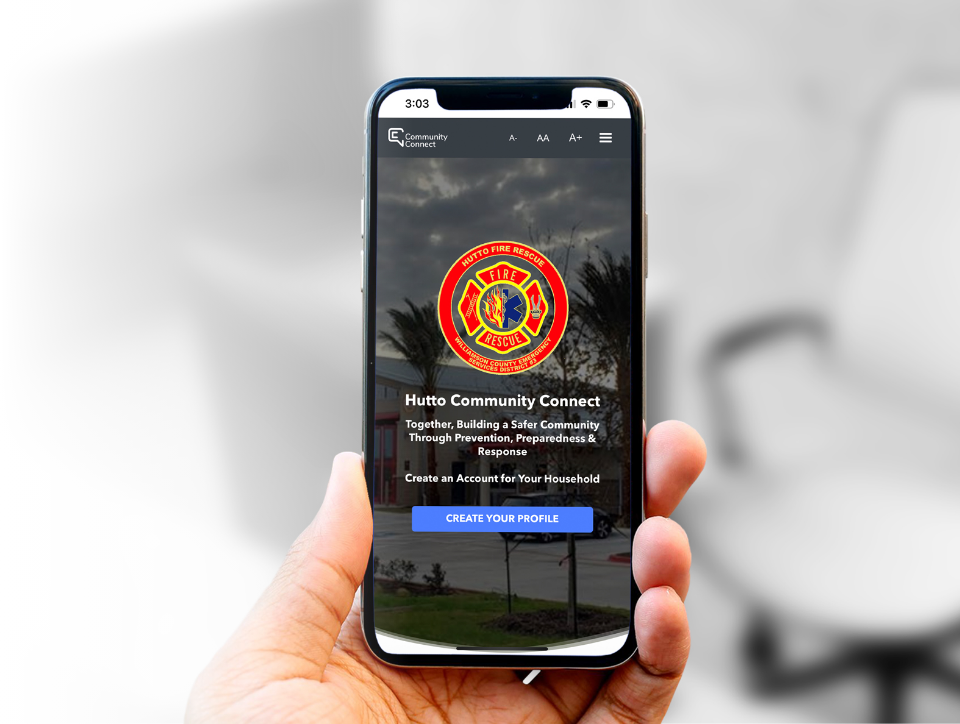
HUTTO COMMUNITY CONNECT is a secure, easy to use platform that allows Hutto Community residents to share critical information about their household in order to aid Hutto Fire Rescue personnel to respond more effectively; ultimately resulting in better incident outcomes.

Employment Opportunities
We are NOT currently accepting applications.
About Citizens Fire Academy
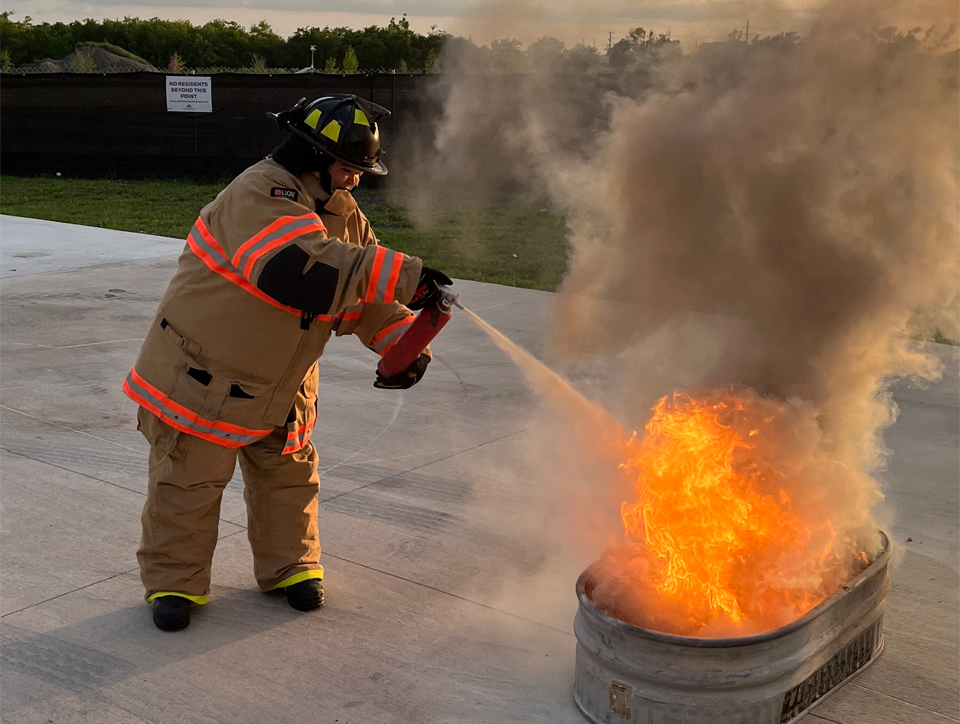
Citizens Fire Academy is a 10-week class held at the fire department, which will give you a better understanding of what your firefighters do on a daily basis to mitigate emergency situations.
2023 Tax Rate Information
“WILLIAMSON COUNTY ESD NO. 3 PROPOSED A TAX RATE THAT WILL RAISE MORE TAXES FOR MAINTENANCE AND OPERATIONS THAN LAST YEAR’S TAX RATE.”
“THE TAX RATE WILL EFFECTIVELY BE RAISED BY 9.32% AND WILL RAISE TAXES FOR MAINTENANCE AND OPERATIONS ON A $100,000 HOME BY APPROXIMATELY $4.98.”
April, 25 2024
Agendas & Minutes
Facebook & Instagram Posts
Problem displaying Facebook posts. Backup cache in use.